
Roofing Company Marketing: What Actually Works (And What You're Renting)
Die Hard Digital LLC — 10+ years in digital marketing, 5+ in construction. 250+ contractor accounts across the US.
Direct answer
Roofing company marketing works through three assets you own: a Google Business Profile that wins the Map Pack, storm-damage and insurance-claim pages that are already indexed before the weather arrives, and a review system that keeps velocity up year round. The thing most roofers get wrong is renting leads instead of building them — a purchased lead is sold to three or four roofers at once, so you compete on price from the first phone call.
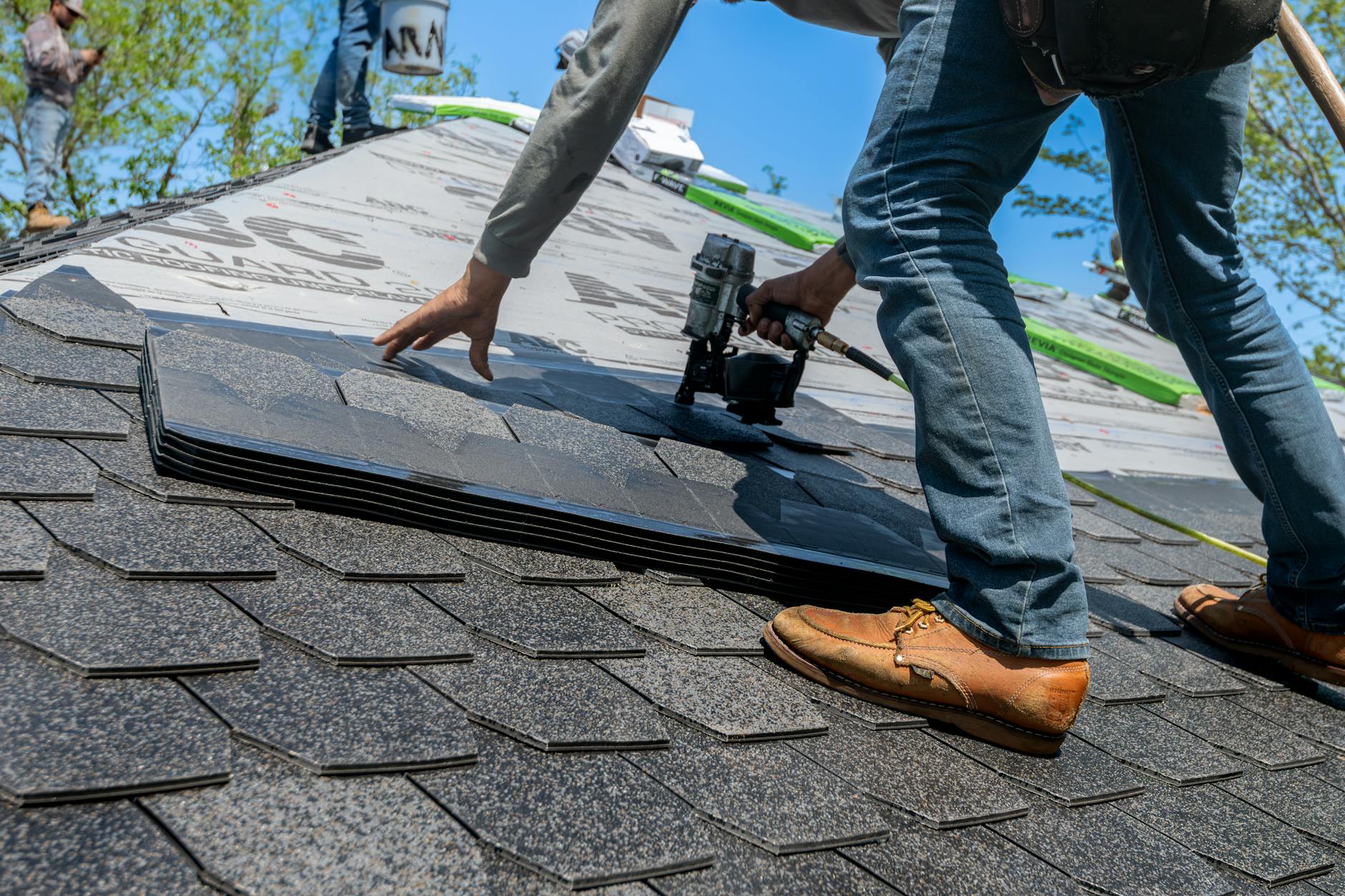
Roofing is one of the most competitive trades in local search and one of the most expensive to advertise in. Clicks routinely run twenty to fifty dollars, every metro has three or four established companies with real budgets, and an entire industry exists to sell you leads that four of your competitors also received.
It is also a trade where the economics forgive a lot. A single re-roof can be worth fifteen to forty thousand dollars, which means a marketing program that produces two extra jobs a month pays for itself many times over. The question is not whether roofing marketing works. It is which parts are worth paying for and which are quietly renting you a business you never get to own.
Buying leads versus building them
Most roofers start with purchased leads because they work immediately. You pay, the phone rings, and some of those calls close. Nothing wrong with that as a stopgap.
The problem is what you are buying. Lead resellers sell the same homeowner to three or four contractors simultaneously. By the time you call, they have already spoken to someone else, and the only lever left is price. You are not competing on workmanship or warranty, you are competing on who answers fastest and quotes lowest, which is a race you win by making less money.
The second problem is that it never compounds. Stop paying and the phone stops the same day. Five years of buying leads leaves you with exactly what you started with. Five years of ranking leaves you with an asset that still produces calls in month sixty.
The practical answer for most roofing companies is both, weighted differently over time. Buy leads to fill gaps while your own channels build, and shift the ratio as your rankings and profile start producing. What you should not do is spend five years renting and call it a marketing strategy.
Storm demand, and why timing beats budget
Every significant hail or wind event produces a spike in searches within forty-eight hours. Roof leak repair, storm damage roof, emergency roof tarp, and the insurance-flavoured variants all jump at once, and they are the highest-intent searches in the trade — nobody types emergency roof tarp casually.
Here is the part that costs roofers money: those searches go to whoever already ranks. Google is not going to discover, crawl, and rank a new storm-damage page in the three days that spike lasts. Building the page after the storm means you have built it for the next one, which may be a year away.
So the storm-damage page is not seasonal content. It is infrastructure you build in the quiet months and leave indexed. The roofers who clean up after a hail event are the ones who published that page eight months earlier and have been sitting on page one ever since.
The Map Pack is most of the game
For roofer near me and roofing company plus city searches, the three Map Pack listings sit above the organic results and take most of the clicks. For a lot of roofing companies the Google Business Profile produces more calls than the website does.
What actually moves it:
- Primary category set to Roofing Contractor. Not contractor, not construction company. The most specific category wins, and this is the single most common misconfiguration.
- Service areas listed explicitly — every city and community you will actually drive to.
- Photos, continuously. Completed roofs, crews working, before and after. Profiles with steady recent photo activity outrank dormant ones.
- Review velocity, not just review count. Google weighs recency. Fifteen reviews from the last quarter frequently outrank eighty from three years ago.
- Accurate hours, including whether you genuinely answer emergency calls. Listing 24/7 and not picking up produces one-star reviews that cost more than the calls were worth.
Our local SEO service handles the profile setup and the review system that keeps velocity up without it feeling automated.
Google Ads when clicks cost $40
Roofing has some of the highest click costs in any trade. In a competitive metro, roofer plus city can run thirty to fifty dollars a click, and a small budget spread across broad keywords buys you nothing but a slow drain.
Ads still work in roofing, better than in most trades, because the job value absorbs the cost. A forty dollar click is irrelevant against a twenty thousand dollar re-roof. But that only holds if three things are true: the targeting is tight enough to avoid unqualified clicks, the landing page converts, and the budget is large enough to hold position for a meaningful share of the month.
That last one is where most roofing ad accounts fail. A budget that runs out on the eighth of the month is not a small campaign, it is a campaign that does not exist for three weeks. We will tell you before you start if the number needed to compete in your market is more than makes sense, rather than take the retainer and report impressions.
Google Ads for roofing contractors produce calls within days of launch, which makes them the right tool while slower channels build underneath.
Insurance-claim searches nobody targets
A large share of roof replacement is paid by insurance, and homeowners research the claim before they research the contractor. They search whether their policy covers hail damage, how long they have to file, whether a claim raises premiums, and what an adjuster looks for.
Almost no roofing company has content answering those questions, which makes it some of the least contested ground in the trade. It also reaches people earlier than roof replacement plus city does — you are in the conversation before they have called anyone.
The credibility angle matters here too. Roofing has a reputation problem built on storm chasers and inflated claims. A page that explains the process honestly, including when a roof does not need replacing, does more for close rate than any volume of adjectives about quality workmanship.
Does door knocking still work
Yes, in storm markets, and it would be strange for a marketing agency to pretend otherwise. Plenty of roofing companies are built on canvassing after hail events and it remains effective.
What has changed is what happens next. The homeowner you just spoke to looks you up before they sign anything. If they find nothing, or a website that looks abandoned, the conversation you just had gets second-guessed at the kitchen table. In that sense digital is not competing with door knocking, it is deciding how many of those doors convert.
When roofing marketing is the wrong spend
If your crew is already at capacity. More leads you cannot service produce missed calls and bad reviews, which cost you more than the jobs were worth. Hire first.
If your Google rating is under 4.0. Driving traffic to a listing that converts poorly is paying to lose. Fixing the review problem is faster, cheaper, and makes every other channel work better.
If your budget cannot hold position in your metro. In the most competitive markets there is a floor below which ads do nothing. Below it, put the money into the profile and reviews instead.
If you only do commercial work through GC relationships. That is a relationship problem, not a search problem. Your buyers are not typing roofing contractor into Google, and no amount of SEO changes that.
Not sure which of those applies to you? A free audit covers your profile, your current rankings, and your site speed, and tells you plainly whether marketing is the right next spend.
FAQ
Is buying roofing leads better than doing my own marketing?
Purchased leads are sold to three or four roofers at once, so you compete on price from the first call, and they stop the day you stop paying. Your own rankings and Google Business Profile produce leads nobody else received and keep producing them in year three. Bought leads are a reasonable stopgap, but they never build anything you own.
How much does roofing company marketing cost?
Local SEO retainers generally run a few hundred dollars a month, with ad spend on top that has to reflect your market. Roofing clicks commonly cost twenty to fifty dollars, so a metro campaign needs real budget to hold position through the month. A budget that runs dry on the eighth is not a small campaign, it is three weeks of absence.
When should I build a storm-damage page?
Months before you need it. Storm searches spike within about forty-eight hours of an event and go to whoever already ranks, and Google will not discover, crawl, and rank a brand new page inside that window. Publishing after the storm means you have prepared for the next one.
What is the most important ranking factor for a roofing company?
The Google Business Profile, specifically the primary category and review velocity. Setting the category to Roofing Contractor rather than the generic Contractor is the most common quick fix, and fifteen recent reviews will often outrank eighty old ones in the Map Pack.
How long does roofing SEO take to work?
Map Pack movement can begin within six to twelve weeks of properly building the profile and review flow. Organic rankings for competitive terms like roofing company plus city usually take three to six months, longer in large metros. Google Ads produce calls within days, which is why most roofers run both.
Die Hard Digital runs SEO, websites, and paid ads for roofing contractors. Contractors and trades only. No long contracts.
A free audit covers your Google Business Profile, current rankings, and site speed, and tells you whether marketing is the right next spend or whether something else should come first.
Find out what'scosting you jobs.
A free audit covers your Google rankings, Google Business Profile, site speed, and ad spend. You'll know exactly what's broken before we talk about fixing it.