
Hardscape Marketing: What Actually Books Patios and Driveways
Die Hard Digital LLC — 10+ years in digital marketing, 5+ in construction. 250+ contractor accounts across the US.
Direct answer
Hardscape marketing works differently from most trades because the buying window is months, not minutes. Nobody has a patio emergency. That means the work is to be findable during a long research phase, convincing once found, and clear enough about scope that you are not quoting jobs you never wanted. In practice: a page for every surface you install, galleries organised by finish rather than by job, and honest price ranges that filter budgets before they reach your calendar.
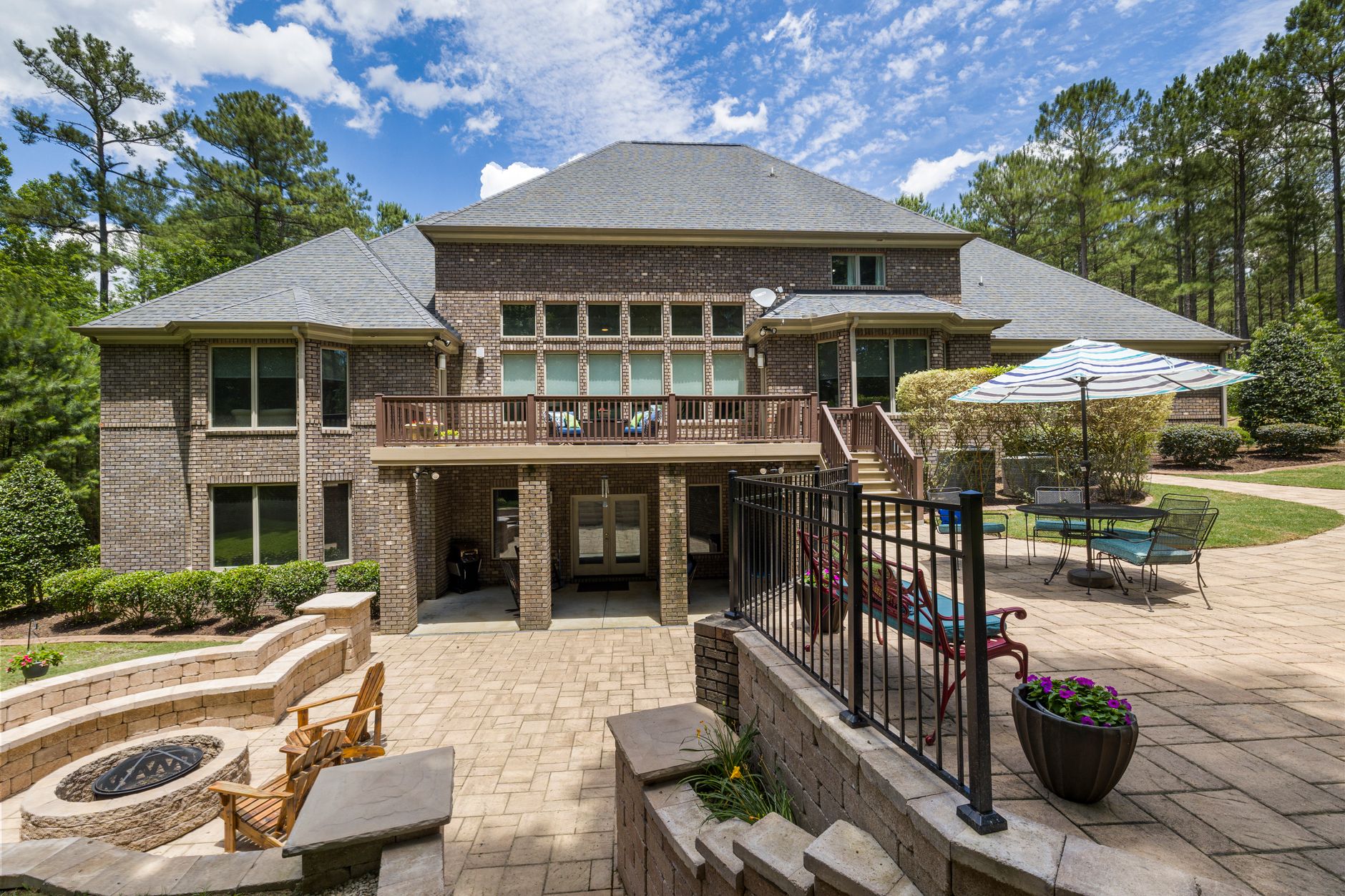
Most marketing advice written for contractors is really written for emergency trades. Be first in the map box, answer the phone fast, win the job. That advice is close to useless for a hardscape company, because nothing about a paver patio is urgent.
A homeowner planning an outdoor living space spends weeks or months looking at pictures, changing their mind about materials, and working out what it costs before they contact anyone. By the time your phone rings they have usually decided roughly what they want and roughly what they will pay. The marketing question is whether you were visible and credible during the months before that call.
Why hardscape is not like the service trades
Three things separate this work from plumbing or HVAC, and each one changes what marketing should do.
The job value is high and the volume is low. A driveway or a full backyard build is a large ticket, which means you need far fewer leads than a service trade — but each one is worth chasing properly, and a bad-fit lead wastes a site visit and a takeoff rather than a phone call.
The decision is aesthetic. Nobody chooses a plumber on looks. Every hardscape customer is choosing an appearance they will see every day for twenty years, which puts photography at the centre of the sale rather than at the edge of it.
The research window is long. That is the opportunity. Long windows mean many touches, which means content that answers planning questions gets found by people who are months from buying and have not yet met a competitor.
One page per surface, not one page for hardscape
The most common structural mistake is a single services page listing everything: patios, driveways, retaining walls, pavers, stamped concrete, outdoor kitchens, fire features.
Nobody searches for hardscape. Homeowners search for the thing they want — paver patio, stamped concrete driveway, retaining wall contractor, outdoor kitchen builder — and usually with a town attached. A combined page competes for all of those and wins none of them, because it is not specifically about any one.
Give each surface its own page, and put the town in it. Then, on each, answer the questions specific to that surface: how long pavers last against poured concrete, whether a retaining wall over a certain height needs engineering where you work, what a stamped finish costs against a broom finish. That detail is the page.
Our contractor website service builds this structure from the start, because retrofitting it onto a one-page services section is more work than doing it properly first.
Photograph finishes, not jobs
Most hardscape galleries are organised by project, in the order the jobs were done. That is how the contractor thinks about the work. It is not how the buyer looks at it.
The buyer arrives with a rough picture in their head and is trying to find it. Stamped, exposed aggregate, broom finish, travertine, concrete paver, natural stone — these look completely different, cost differently, and wear differently. A homeowner who wants exposed aggregate is not served by scrolling twelve galleries hoping to spot it.
So organise by finish and material first, project second. Label the material in the caption. If you can, show the same finish in more than one setting, because people are also trying to work out whether it suits their house rather than the one in the photo.
Two practical notes. Shoot in even light — hard midday sun blows out exactly the surface texture that is the point of the photograph. And photograph the edges and transitions, not just the wide shot. Anybody who has priced this work knows the edge detail is where the skill shows, and the customers who care about that are the ones with the budget.
Publish ranges, filter budgets
Cost is the first thing every hardscape customer wants to know and the thing most contractors refuse to put on the site. The usual reason is that every job is different, which is true, and beside the point.
Two things happen when you publish honest ranges. The obvious one is that you capture the enormous volume of cost searches — how much does a paver patio cost, stamped concrete price per square foot — which are some of the highest-intent searches in the trade, because nobody prices a patio they are not considering.
The less obvious one matters more. Ranges filter. A homeowner with an eight thousand dollar budget looking at a thirty thousand dollar project finds that out on your website rather than in your truck, an hour into a site visit you will never bill for. Hardscape contractors lose more time to quoting jobs that were never going to close than to almost anything else, and a published range is the cheapest filter there is.
Give a per-square-foot band with what moves you within it — access, grade, base prep, material, whether there is demolition. That is honest, it is useful, and it is more than nearly any competitor will tell them.
Selling through a weather-dependent calendar
Installation is seasonal in most of the country. Marketing should not be, and the reason is the research window.
People plan outdoor projects when they cannot use the outdoors. Winter is when they sit inside looking at pictures of patios, which means winter is when your content earns the spring calendar. Contractors who market only in season are advertising to people who have already chosen somebody.
It also means ranking cannot be turned on in April. Search rankings take months to move, so the work that fills a summer schedule happens the previous autumn. If you only have budget for part of the year, spend it in the off season and let it mature.
Hardscape versus landscaping searches
Worth being deliberate here, because a lot of companies do both and let the two blur together on the website.
They are different buyers. Landscape maintenance is recurring, low ticket, decided quickly, and lives mostly in the map box. Hardscape is one-off, high ticket, researched for months, and decided on portfolio. Someone searching for lawn care and someone planning a retaining wall have almost nothing in common except a property line.
If you offer both, keep them structurally separate — different pages, different galleries, different calls to action. A visitor who wanted a paver driveway and landed on a page selling weekly mowing has been answered by the wrong business.
When this is the wrong spend
If you have no finished-work photography. This is the one non-negotiable in this trade. A hardscape site without real galleries does not convert, and driving traffic to it wastes the money. Photograph a season of work before spending anything on ads.
If you are booked out past the season. More leads you cannot schedule turn into unreturned calls and poor reviews. Hire or wait.
If you work mainly as a sub for builders or landscape architects. That is a relationship business, not a search business. Your buyers are not typing paver patio into Google, and a website's job there is to make you look credible when a builder checks, not to generate cold leads.
Not sure which applies? A free audit covers your rankings, your Google Business Profile, and your site, and says plainly whether marketing is the right next spend.
FAQ
What is the best way to get hardscape leads?
Individual pages for each surface you install, with the town in them, supported by a gallery organised by finish. Hardscape buyers search for the specific thing they want rather than for hardscape, and they decide on what they can see. A Google Business Profile helps, but unlike the emergency trades it will not carry the whole job on its own.
Should I put prices on my hardscape website?
Ranges, yes. A per-square-foot band with the factors that move it — access, grade, base prep, material, demolition — captures a large volume of cost searches and filters out budgets that were never going to close. Hardscape contractors lose more time to unqualified site visits than to almost anything else, and a published range is the cheapest filter available.
When should a hardscape company market if installation is seasonal?
Through the off season. People plan outdoor projects while they are stuck indoors, so winter research earns the spring calendar. Rankings also take months to move, which means the work that fills a summer schedule happens the previous autumn. Marketing only in season means advertising to people who have already chosen somebody.
Is hardscape marketing different from landscaping marketing?
Substantially. Landscape maintenance is recurring, lower ticket, decided quickly, and driven by the map box. Hardscape is one-off, high ticket, researched for months, and decided on portfolio. If you offer both, keep them on separate pages with separate galleries, because a visitor who wanted a paver driveway and landed on weekly mowing has been answered by the wrong business.
How many photos does a hardscape gallery need?
Fewer than most contractors think, organised better than most contractors manage. Cover each finish you offer in more than one setting, label the material, and include edge and transition detail rather than only wide shots. Twenty well-sorted photos across your finishes beat two hundred in job order.
Die Hard Digital builds websites, SEO, and paid ads for concrete and hardscape contractors. Contractors and trades only. No long contracts.
A free audit covers your Google Business Profile, current rankings, and site speed, and tells you whether marketing is the right next spend or whether something else should come first.
Find out what'scosting you jobs.
A free audit covers your Google rankings, Google Business Profile, site speed, and ad spend. You'll know exactly what's broken before we talk about fixing it.